Showing posts with label Okinawa. Show all posts

Thursday, April 1, 2010

Okinawa in Reflection (Yes this post is also too long)

Why yes, I do realize that this is 2 weeks late.

Yes, I did get back home on the 19th, so I HAVE been putting it off.

Why though? Because I'm lazy? Well naturally yes, but perhaps more importantly, Okinawa is hard to define and blog about.

To write an entry about this place wouldn't do it justice. And I don't say that because Okinawa is some amazing magical Japanese wonderland where Unicorns poop rainbows, but more because the place is... different.

On mass scale.

For one. Okinawa is a VARIETY of islands. To say I've gone "there" is in itself fairly audacious, because the sheer number of islands are all different. You have islands like "Okinawa Island", which includes Naha, the capital of the prefecture, as well as a fairly large city of around 700,000 people, but then conversely, the "Yaeyama Islands", which are something like 90-95% uninhabited forests with no real cities at all.

I know this is a running theme in my blogs, but a country's "culture" as an idea is one that is hard to define. Okinawa has been blessed with a history that is somewhat separate from Japan, which gives it a variety of characteristics that are otherwise rare in Japanese culture.

But it's still Japan!

How are we getting away with saying "this is how all Japanese people act"?

As an example of differences, first thing I noticed right off the bat.


Buildings have COLOR. Pinks and greens and yellows and reds, Naha is less than inspiring in terms of size or even cleanliness, but some of the buildings in Okinawa just have the most audaciously bright colors I've ever seen.
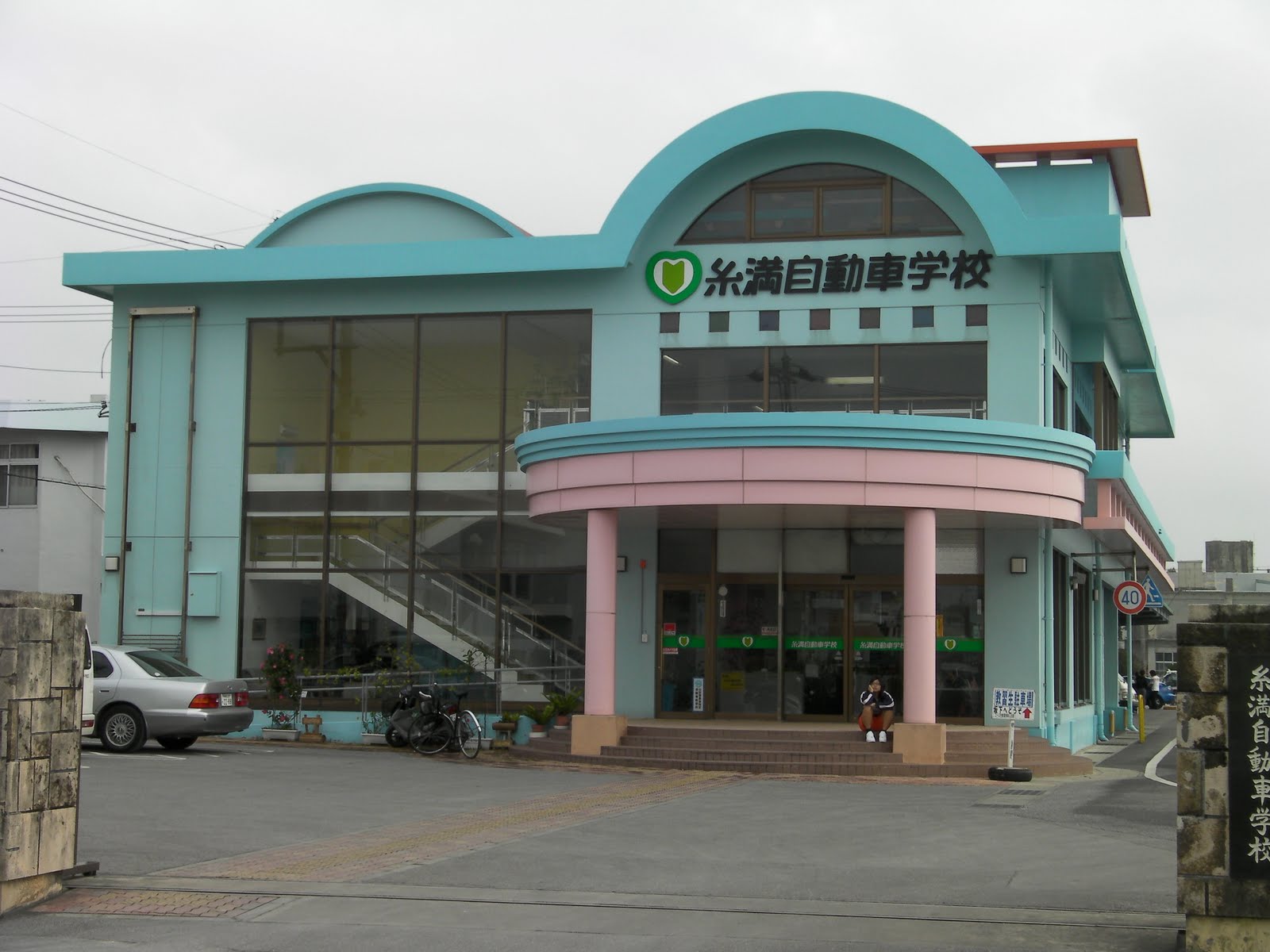
A Bright Blue with Pink Driving School in Itoman Okinawa

Random house with bright blue and red accents

This sort of stuff seems arbitrary at first, but to me it's striking. Places are just more vibrant.You don't see color like this really anywhere, let alone in Japan. And these shots are all on Okinawa Island, the most touristy spot of them all.

It's quite touristy alright. And at times very grimy and dirty. But everyone knows you have to go elsewhere to see even a glimpse of what this place is like.

Naturally of course, Ryukyu cultural influence is a large part of what Okinawa was today. These islands weren't always Japanese, after all, in fact Japanese involvement with Okinawa is (I believe) only around 400 years. The people of the Ryukyu culture left behind many interesting sights such as castles and temples, which in all honesty, look nothing like anything else found in Japan.

Ryukyu King's hide-away near Castle in Naha

Shrine on Kumejima Island.

So the architecture stems out into quite a variety not really noticed on the main-land. Naturally the differences don't end there.

Nature in Japan has, to be honest, always been awe inspiring. Some of the parks that I've seen here take extreme detail in terms of showcasing the beauty of nature. Okinawa is no exception to this framework, yes, but there are characteristics that seem different.

For instance, a lot of the roads and areas just have lush plantlife sprouting up all over the place.


Sometimes it's almost TOO much.


Furthermore, Okinawa's Peace Memorial Park, dedicated to those who fell in the Battle of Okinawa (including foreigners), is absolutely stunning.

Incredible flowers.

Extremely Scenic

Very spacious and open

Just off the coast, atop a large hill near memorial graves
The area around the Park. There are wind farms around here.

The park, mind you, is located on a spot where tens of thousands of Okinawans committed suicide to avoid imprisonment and or slaughter, as directed by the Japanese government. The beauty of the place then, is rather humbling.

This sense of old world naturalism, stone, ivy, is further implimented as you go out to smaller islands. Consider Kumejima, which I went to and stayed overnight. I think the following image summarizes the island well.


Small clusters of towns surrounded by dense jungle like nature and beaches. Very picture esque. Also very different from Naha, with its big city layout, large arcades and shopping areas. Even Okinawa has separate cultures within itself.

As well, Okinawa has quite a bit of American influence due to the bases located on the main island.


This very American, 1970s diner like "West ward Sightseeing Drive In Restaurant" is located just outside of the park. Notice the crazy crumbled sign. The menue clarifies on it's American influence


It's hard to see, but steak sandwiches and eggs are included on the menu. (Steak sandwich was tasty by the way)

Other forms of American influence CERTAINLY include food.

(Oh god I will try not to talk about food too much, an entire blog about okinanwan food is here)

Many American fast food restaurants not found in Japan can be found in Okinawa.

That's an ad for A&W in Japan.

Food in general tends to skew from the Japanese norm. Sushi isn't very popular here, since sashimi quality fish isn't found off most sub tropical climates (so I've heard), instead a mixture of tropical foodstuffs and chinese/japanese cooking techniques. Unique ingredients like bitter melon, fruits, SPAM even. Pork is immensely popular in Okinawa; I think it was in each one of my meals in some manner or the other. Taco Rice, a combo of taco seasoned beef, lettuce, tomatoes, salsa, over rice, is also popular. Remember that this food is certainly influenced by American military occupation. Soldiers get HUNGRY!

Okinawan Soba is not really soba, more like ramen and udon combined. Pickled ginger, slow cooked pork belly and sparerib, seafood broth.

THAT PORK WAS TASTY!! With mango Juice fyi.

Okinawa is just... different. Even the islands are different from one another!

It's beautiful, and horrifylingly touristy. And was a lovely time. I'll miss it.


Especially AFRO NEST UGH YOU KINGS OF FOOD AND DRINK!

Toodles, more on my life... later. This post is long enough. I'm sure I didn't cover enough about Okinawa, but still, I think this captures a few glimpses.

Saturday, February 6, 2010

End of Semester

Man... those finals were rough.

So the first semester of Hokkaido adventure time has ended. And thus begins my amazingly obscene long spring break. Just under 2 months really...

What is Mike planning to do in such a long time?

TRAVEL YOU FOOLS. TRAVEL.

I have been blessed with a scholarship this year, which, when combined with my hilariously minuscule dormitory costs (about 100 USD per month, utilities included), has allowed me a rather ample amount of funding for adventure. Aside from the HD camera I bought, I haven't really spent any money on anything besides food and train tickets. No clothes, no weird trinkets, nothing.

So... with money in hand, I figure now, with all the immense freetime I have on spring break, I can regain my tourist role in society, and see more of this gloriously unique country.

Here I will be announcing my VERY TENTATIVE schedule for the spring break vacation.

Feb 18th-22nd, Nagano. My host family is amazing!!!!
Feb 23rd - 28th, Other Honshu adventures. Osaka, maybe Koyasan, Nara, etc.
March 1st-8th: Okinawa. Beaching it UP
March 9th - 14th: Back to Honshu for more adventure, A brief stay in Nagoya is in the works?
March 15-17: Tokyo. Gotta love Tokyo
March 18th: Fly back to Sapporo


Yes, I am going to Okinawa. I am PUMPED.

Along the way I plan on doing TONS of media content. I've been avoiding video editing because it just takes so long! HD is a lot of data to transfer to a video editing program, and each video, shockingly, takes a good 3-4 hours to fully complete. So obviously... I'm making these videos as a labor of love.

Cause I love you guys!

And of course, I'm really looking to well document what I've done here.

Speaking of video blogs... get ready for a new one soon!

Can I get some feedback on those please? FORREAL! Ideas?

Man I am not used to this freetime...

Up up and awayyyyy.

Saturday, December 12, 2009

Okinawan Food

Okay look look look, yes. I know.

I know.

I knowwwwwww.

Too much food stuff right?

Pardon me while I break down the necessary link between food and culture.

Argument goes as follows (thanks Mr Basl for this argument flow chart format!)

1. People cook based on their tastes, their likes and dislikes.
2. People can be classified into cultures.
3. Cultures determine the way people behave.
THEREFORE
4. Culture can determine a given diet.

Duh kids. Duh.

SO

In a culture related way, I'd like to talk about my Friday.

I am blessed enough to be taking a class from a VERY cool medicine teacher (don't ask how this situation came to be, what a story that is!). He's so cool that last week he decided to cancel class and INSTEAD, take the students to an Okinawan restaurant. In Hokkaido.

For those who don't know, Okinawa is one of the prefectures of Japan, consisting of hundreds if not thousands of tiny islands south of the main four. I'm not here to give a history lesson, but basically, this cluster of islands is fairly detached from the centralized country that focuses on Tokyo/Osaka culture. 標準語, or standard Japanese, is really just Toyko Japanese, which due to centralization within the culture, gradually became "normal'.

But to avoid a tangent here, because this area is somewhat detached from the "center", the culture, and in turn the food, can be quite distinct.

Yes, they do have their own dialect. I won't go into that either.

This is a point that needs to be addressed; Japan is not just a single likeminded country. People act, speak, look, and think VERY differently from place to place. If you took an Okinawan and an Osakan and made them speak in their respective dialects, the two wouldn't understand each other. It'd be like Spanish and Italian.

The problem is that we, as people on the outside, just SEE the culture as being Tokyo-ian or Osakan, because of this center ideology within the country. This is "Japanese", Tokyo is the hub, everything shoots out from there. But if you are to understand a country's culture, focusing on a city will give you a very narrow outlook on it.

I mean c'mon, do people from New Orleans act like people from New York? I'm not saying anything new here!

So with that in mind, let's focus on Okinawa, a prefecture SO far from the rest of the country, in many ways it's like it's own country. But it's Japan! It's JAPAN!

For 2500 yen, you get a multiple course meal and all you can drink. I dig it. Thanks teach for the hook up!

And the food is CRAZY different. Maybe this is partially the genius of the owner/chef, or maybe it's just the way Okinawans do cuisine, but let's see. Here's some of the highlights:


Squid Ink Yakisoba, with special Okinawa style soba.

Squid ink, for my Japanese word nerds, is quite literally in Japanese ALSO "Squid Ink" or イカ墨.

Anyways.

Then they brought out a special Okiawan style Shochu, which is a clear distilled alcoholic drink similar, but much stronger than, Sake, usually served over ice. It has a similar smell to some whiskey, but contains far less alcohol. Here's what they served it as:


This one was especially smooth. But the nose was a little off putting... kind of musky. Still fairly enjoyable. It paired extremely well with one dish in particular, which was a small block of Tofu covered in a red miso sauce.


Perhaps the reason this tofu worked so well with the sake was because it had been soaked in the alcohol itself. But the texture of it was really marvelous, It has this kind of butter, smooth, rich mouth-feel, the kind you associate with foie gras or something. Explains why it came in at less than 1 cubic inch to be shared by 3 people. Riiiiich. And pretty dang impressive. I've obviously never had tofu like that.

But surely, to everyone, the highlight of the night was the following dish, which actually came pretty early:


The title of this dish in romaji is "Gooya Champloo". Nerds recognize the name Champloo imediately from the popular anime Samurai Champloo. Champloo in Japanese is ACTUALLY チャンプルー, pronounced "Chanpuruu", and it refers to a stir fry dish, a "mash up" of sorts. The name of the anime actually is derived from this "stir fry/mashup" idea, as the story combines multiple genres and ideas, even stories themselves.

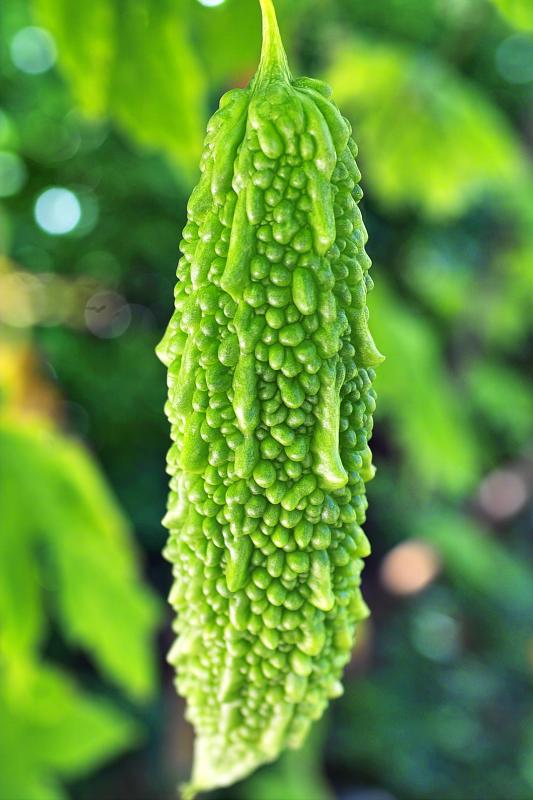
AND, Gooya, oh gooya, means "Bitter melon". Those green things you see? Bitter melon.

I googled bitter melon to show yall, they look like this:

Mmmmm, bitterrrrr

VERY different taste on this one folks. It's hard to describe bitter melon, something like a root vegetable but with less aroma, a slight bitter kick, better texture. But it's as Okinawan as it gets. Stir fried with some tofu and a little ham (which was shocking for sure, you don't see ham much in Japan), And it was TASTYYYYY.

And that's Okinawan food.

So what have we learned here?

Well what HAVEN'T we learned here? Food is indeed a mirror to a culture, and despite the idea that a country can have it's own style, regions make variations on the diet extremely distinct.

I mean, what IS Japanese food?